
As parents, we’re always looking for ways to support our children’s emotional development. One important aspect of this is emotional regulation — the ability to manage and respond to intense feelings in a healthy way. Emotional regulation is crucial for children as it helps them navigate challenges, build resilience, and develop social skills. But how can we encourage emotional regulation in our little ones?
One powerful tool that can support emotional growth is independent play. It may seem like a simple concept — letting your child play on their own — but it plays a significant role in helping them understand and manage their emotions.
Let’s dive into how independent play can aid in emotional regulation and how you can encourage it in your child’s routine.

What is Emotional Regulation?
Before we explore how independent play ties into emotional regulation, it’s helpful to understand what emotional regulation is. It’s the ability to recognize, understand, and manage one’s emotions in different situations. For young children, this might look like knowing when to calm down after feeling frustrated or learning how to express themselves without having a meltdown.
Emotional regulation is not something children are born with. It’s a skill that develops over time with the help of caregivers, social experiences, and self-reflection. As they grow, children need opportunities to practice this skill in a safe and supportive environment.
The Connection Between Independent Play and Emotional Regulation
Independent play offers children a chance to engage in activities where they are in control. This freedom allows them to explore their emotions and practice managing them in a low-stress setting. Here’s how independent play can support emotional regulation:
1. Fosters Self-Awareness
Independent play gives children space to explore their thoughts and feelings without the constant presence of an adult. As they play, they learn about what interests them, what frustrates them, and what brings them joy. For example, if a child is building with blocks and experiences frustration when the tower falls, they can practice calming themselves down and problem-solving without relying on an adult to intervene.

2. Encourages Problem-Solving
When children engage in independent play, they often face challenges — whether it’s figuring out how to fit puzzle pieces together or creating a storyline for their dolls. These small challenges encourage problem-solving and coping strategies, both of which are vital for emotional regulation. By working through frustrations on their own, children build resilience and confidence in handling future difficulties.
3. Boosts Confidence and Independence
The more children engage in independent play, the more confident they become in their own abilities. This sense of independence allows them to face difficult emotions without always relying on someone else to make them feel better. When children know they can handle situations on their own, they’re better equipped to regulate their emotions, whether it’s feeling calm after a disappointment or handling excitement during play.
4. Promotes Self-Soothing Skills
Through independent play, children learn to self-soothe when emotions run high. If a child is feeling overwhelmed or upset, they can learn how to calm down by taking a break from play or using techniques such as deep breathing. These moments of quiet reflection help children practice emotional regulation without external guidance, setting the foundation for future self-regulation.
5. Encourages Emotional Expression
Independent play offers children the chance to express their emotions in a creative and safe way. Whether they’re role-playing different scenarios or pretending to be a superhero overcoming obstacles, they can channel their feelings into their play. For instance, a child may act out a situation where they’re feeling sad or angry, helping them process these emotions in a healthy way.
How to Encourage Independent Play for Emotional Growth
Now that we know the importance of independent play for emotional regulation, here are some practical ways to encourage this in your child’s daily routine:
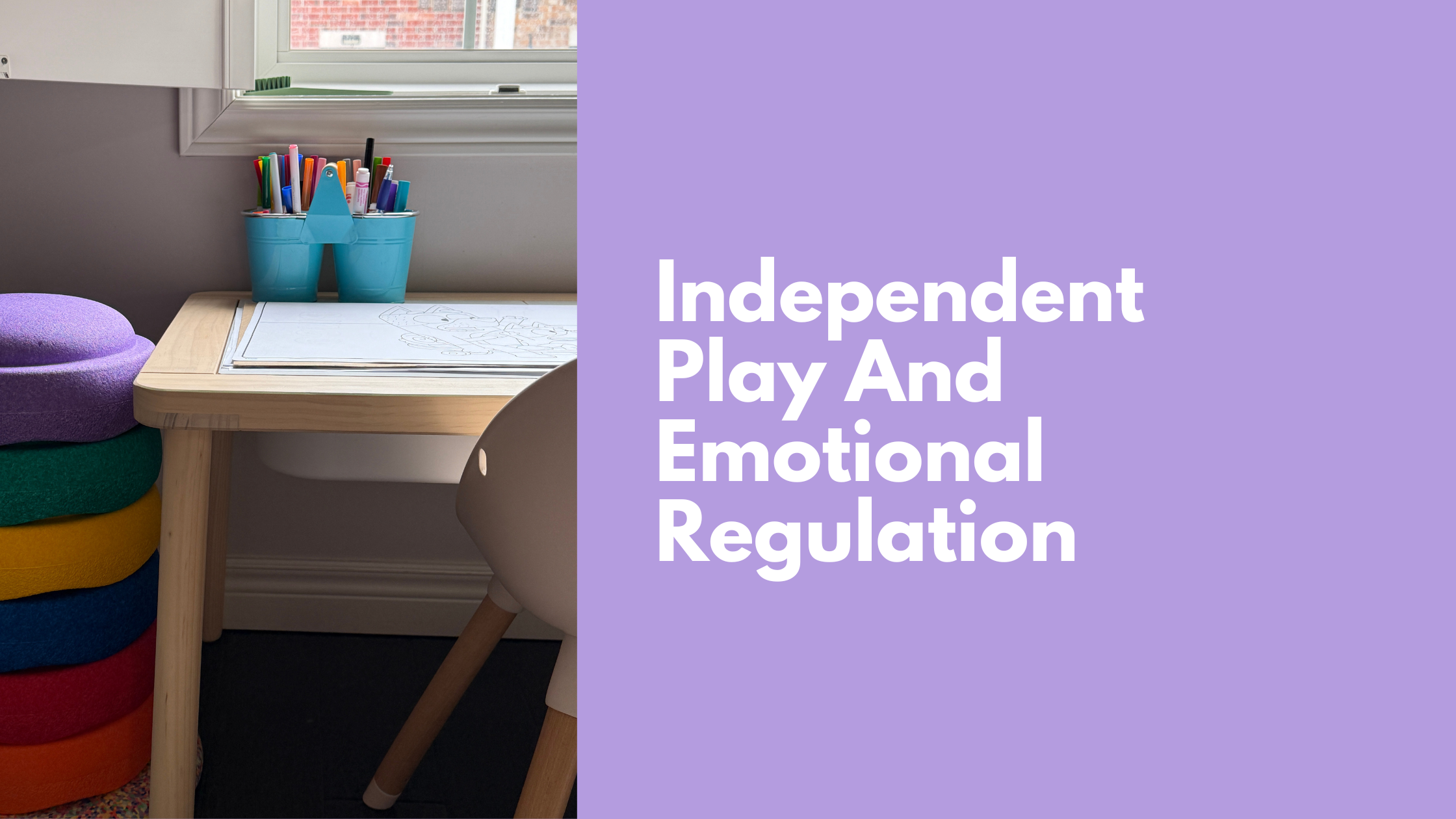
- Create a Safe, Stimulating Environment: Set up spaces where your child can engage in independent play, like a cozy reading nook, a play area with building blocks, or an arts and crafts station. Make sure the environment is safe and filled with age-appropriate materials that inspire creativity.
- Start with Short Sessions: If your child is new to independent play, start with short sessions and gradually increase the time. Let them explore on their own but stay nearby if they need you.
- Offer Open-Ended Toys: Provide toys that allow for imaginative play, such as dolls, action figures, or building blocks. These types of toys allow children to create their own stories and scenarios, promoting emotional exploration.
- Model Emotional Regulation: Children learn by observing adults. Practice emotional regulation in your own life so they can see how to manage frustration, disappointment, and excitement. When you handle emotions calmly, your child will be more likely to mirror that behavior.
- Encourage Self-Reflection: After independent play, ask your child how they felt during their activities. Did something make them happy or upset? This helps them connect their emotions with their actions and reinforces emotional awareness.
Conclusion
Independent play isn’t just about giving kids a break or keeping them entertained. It’s a crucial element in developing emotional regulation skills. By allowing your child to play on their own, you give them the opportunity to explore their emotions, solve problems, and build resilience — all important components of emotional growth.
So, the next time your child is engaged in independent play, remember that it’s more than just fun and games. It’s a chance for them to practice managing their emotions and become more self-aware and confident in the process.

Latest Posts
- Umrah With Kids During Ramadan: What We’d Do Differently
- Audio Books: Screen-Free Toddler Activity That Is Free
- What can I do instead of screen time for my toddler?
- Is Going to Brussels Actually Worth It With Kids?
- 5 Actually Fun Things To Do In Amsterdam With Kids
Leave a Reply